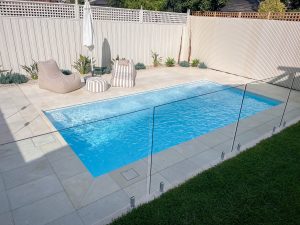
A robotic pool cleaner is a self-contained unit that drives around the floor and walls of your pool, scrubbing and collecting debris into its own filter. It plugs into a power supply near the pool rather than into the pool’s own plumbing. For a lot of fibreglass pool owners it is the single most useful upgrade after a cover.
So is one worth it for a fibreglass pool? This guide compares the main cleaner types, explains what matters on a fibreglass surface, and helps you decide.
In short
- Robotic cleaners work independently of your pump and filter and usually clean floors, walls and the waterline.
- Fibreglass pools have a smooth gelcoat surface, so they are easier to keep clean than rougher finishes.
- Choose a cleaner whose brushes and wheels the manufacturer approves for fibreglass.
- Suction cleaners cost less upfront, robotic cleaners usually clean better and put less load on the pool’s filter.
Why fibreglass pools are easier to clean
Fibreglass pools have a smooth gelcoat interior. Algae and dirt have less to grip onto than on a rougher surface, so a fibreglass pool generally needs less scrubbing and fewer chemicals to stay clear. A cleaner on a fibreglass pool is mostly picking up leaves, dust and sand rather than fighting the surface itself.
We cover the day-to-day routine in more detail in our guide to how fibreglass pools are cleaned and maintained.
The three main types of automatic cleaner
Suction cleaners
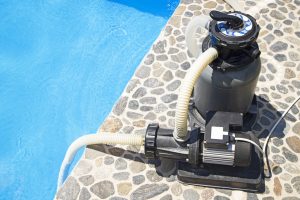
These connect to the skimmer and use the pool pump’s suction to move around and pull debris into your pool filter. They are the most affordable option and have few moving parts. The downside is that the pump has to run for the cleaner to work, and all the debris ends up in your filter, which then needs cleaning more often.
Pressure cleaners
These use water pressure from the return line, sometimes with a booster pump, and collect debris in an attached bag. They handle leaves well, but are less common on new residential pools.
Robotic cleaners
Robotic cleaners have their own motor, brushes and filter basket, and run from a low-voltage power supply beside the pool. They map or scan the pool, climb walls, and many clean the waterline too. Because they don’t rely on the pool pump, you can run the cleaner on its own schedule and the pool filter stays cleaner.
Is a robotic cleaner worth it?
For most fibreglass pools, a robotic cleaner is worth it if:
- The pool sits near trees or garden beds and collects leaves or blossom.
- You want the walls and waterline cleaned, not just the floor.
- You would rather empty a small basket than clean the pool filter more often.
- You want to run the pump on a quiet, low-speed schedule without it also having to drive the cleaner.
It may be less worth it for a small plunge pool that sits under cover and stays clean, where a quick vacuum by hand now and then does the job.
What to check on a fibreglass pool
- Surface compatibility. Check the manufacturer says the cleaner suits fibreglass. Some brushes are better on rougher finishes.
- Pool shape. Steps, swim-outs, bench seats and splash decks can trip up some cleaners. Ask how a model handles them.
- Power point. The power supply needs a weatherproof outlet in a sensible spot, away from the water and outside the non-climbable zone of the fence. Plan it before the electrician leaves.
- Weight and lifting. Robots need to be lifted out to empty them. Lighter models and caddies make this easier.
Planning for a cleaner when you build
If you are building a new pool in Cheltenham, Highett or Mentone, decide early whether you want a robotic cleaner, a suction cleaner or both. It changes where the outlet goes, whether you need a dedicated suction line, and how the pump is scheduled. A fibreglass pool builder for Mentone and nearby suburbs should ask how you want to clean the pool before the plumbing goes in.
Help after handover
Most new owners have questions about cleaning in the first few months. Glenn, whose pool is in Chelsea Heights, wrote in his Google review: “Our pool has been installed for six months now, and they are still happy to answer any silly questions I have.” We don’t run a pool servicing business, but we are always happy to explain how your equipment works and point you to a good local pool technician.
Frequently asked questions
Are robotic pool cleaners safe for fibreglass pools?
Yes, when the model is designed for fibreglass. Check the manufacturer’s guidance on brushes and wheels. Fibreglass has a smooth gelcoat surface, so it doesn’t need aggressive scrubbing, and a suitable robotic cleaner will clean it without damage.
How often should a robotic cleaner run?
Many owners run it a few times a week, and more often in autumn or after storms. Because it works independently of the pool pump, you can schedule it around your swimming. Empty the basket after each cycle so it keeps working well.
Do I still need to brush a fibreglass pool with a robotic cleaner?
Much less often. A quick brush of steps, corners and the waterline every now and then helps, especially in spots the cleaner can’t reach. The smooth fibreglass surface means it stays cleaner than rougher pool finishes.
Can a robotic cleaner replace my pool filter?
No. The cleaner picks up debris from surfaces, but the pump and filter still need to circulate and filter all of the pool water every day. The two work together.
The straight answer
For most fibreglass pools, a robotic cleaner that suits the surface is worth it. It cleans more of the pool, keeps your filter cleaner and frees the pump to run quietly. Plan the power point when you build. Book a free site visit to talk through cleaning options.